 How-to
How Can You See Clearly With Vision Care?
Last Updated: November 21, 2026
Quick Summary
You can see clearly by starting with a comprehensive eye exam, which measures visual acuity, checks eye health, and screens for disease before symptoms appear. Daily habits like the 20-20-20 rule, full blinking, UV-blocking sunglasses, and proper contact lens hygiene support clear vision, but they do not replace an exam.
- A comprehensive eye exam can screen for cataract, dry eye, and corneal disease before you notice blurry vision.
- Follow the 20-20-20 rule: every 20 minutes, look about 20 feet away for 20 seconds.
- Seek same-day care for sudden vision loss, new flashes of light, a surge of floaters, or eye pain.
- Eye exercises and supplements do not correct refractive errors or treat cataract and eye disease.
- Wash and dry your hands before handling contact lenses and never top off the case with old solution.
Table of Contents
- Why Clear Vision Starts With a Comprehensive Eye Exam
- Common Causes of Blurry Vision and How They Differ
- Daily Habits That Help You See Clearly
- What See Clearly Vision Reviews Say About Patient Care
- Meet the See Clearly Vision Doctors
- Using the See Clearly Vision Patient Portal
- See Clearly Vision Arlington and Local Service Areas
- Schedule Your Eye Exam and Take the First Step
- Frequently Asked Questions
Why Clear Vision Starts With a Comprehensive Eye Exam
Clear vision rarely happens by accident. It comes from regular checkups, smart daily habits, and knowing when something needs professional attention. Good vision care starts with a thorough look at your eyes, not just a quick prescription check. A comprehensive eye exam is the foundation for seeing clearly at every stage of life.
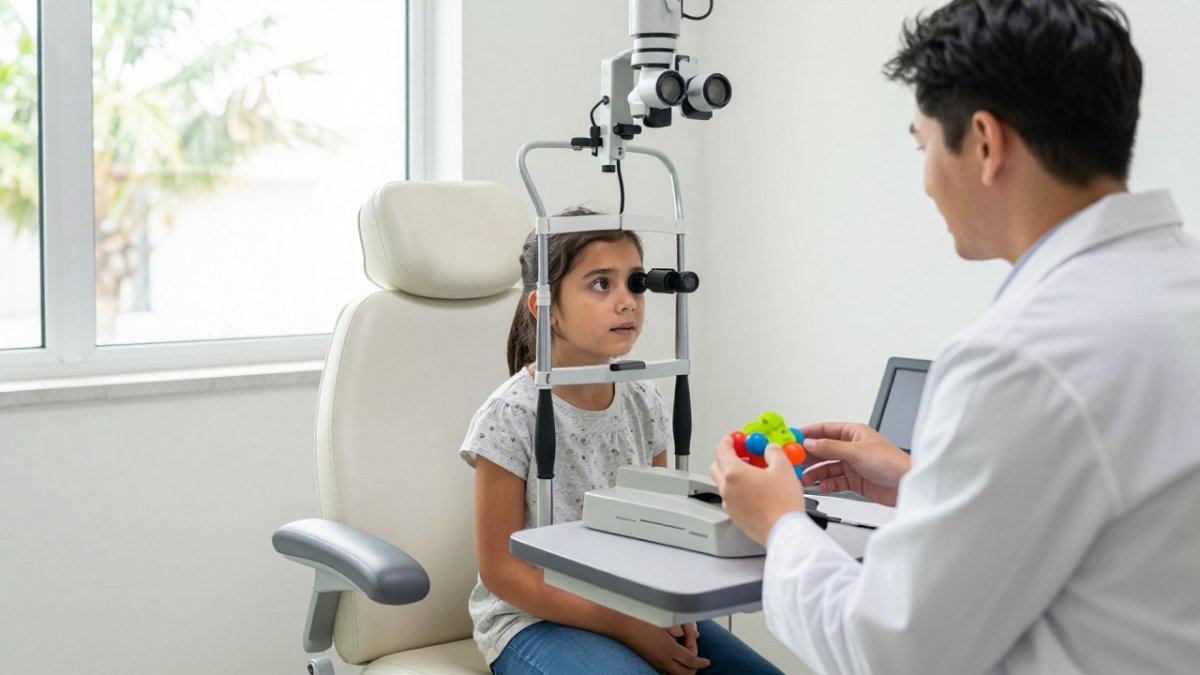
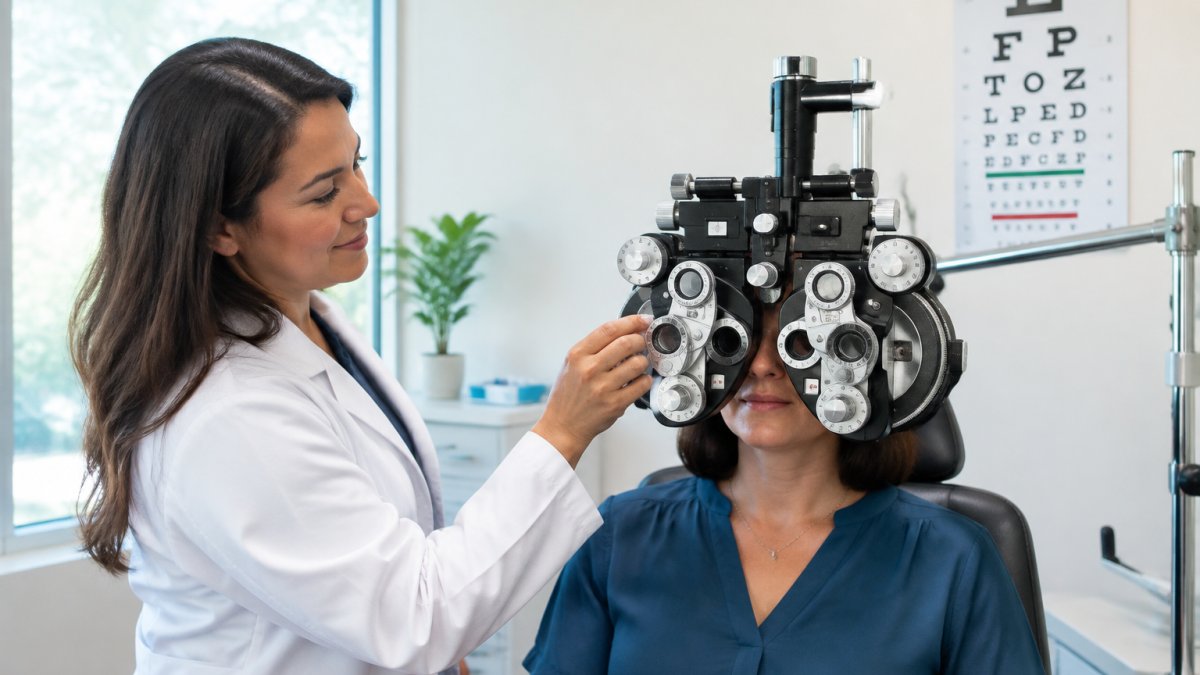
Many people assume an eye exam is only about reading letters on a chart. In reality, it is a full health check for your eyes. It measures visual acuity, checks the health of your cornea and retina, and screens for eye disease before symptoms appear.
What a Full Eye Examination Covers
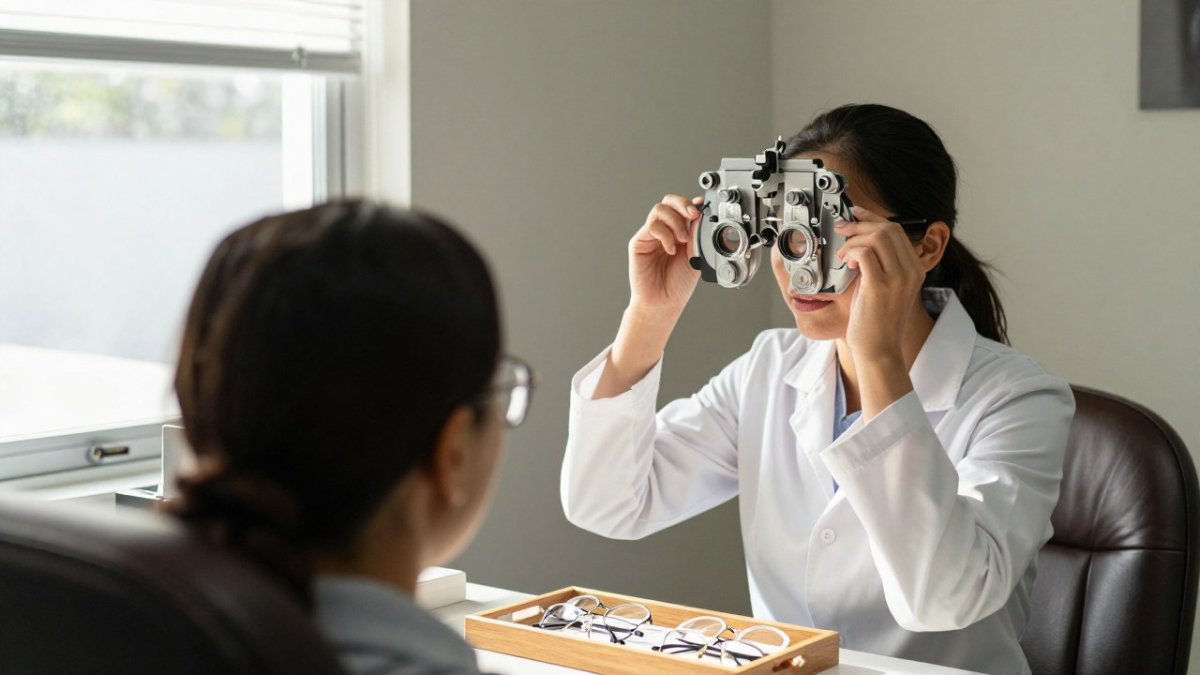
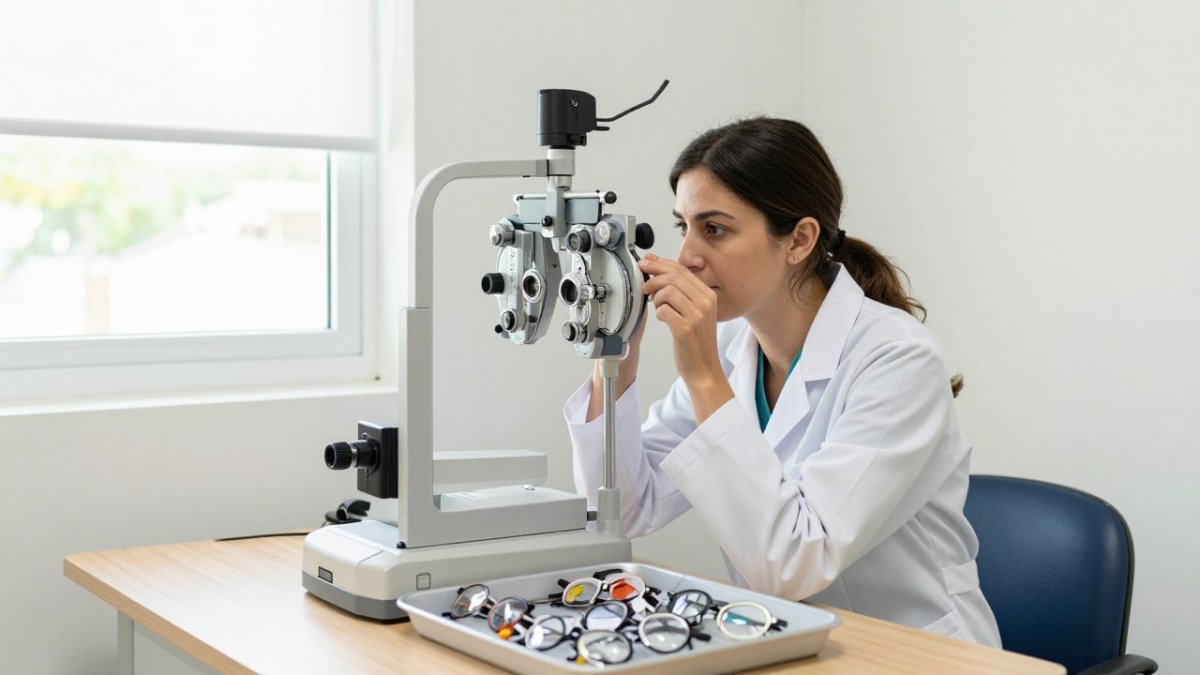
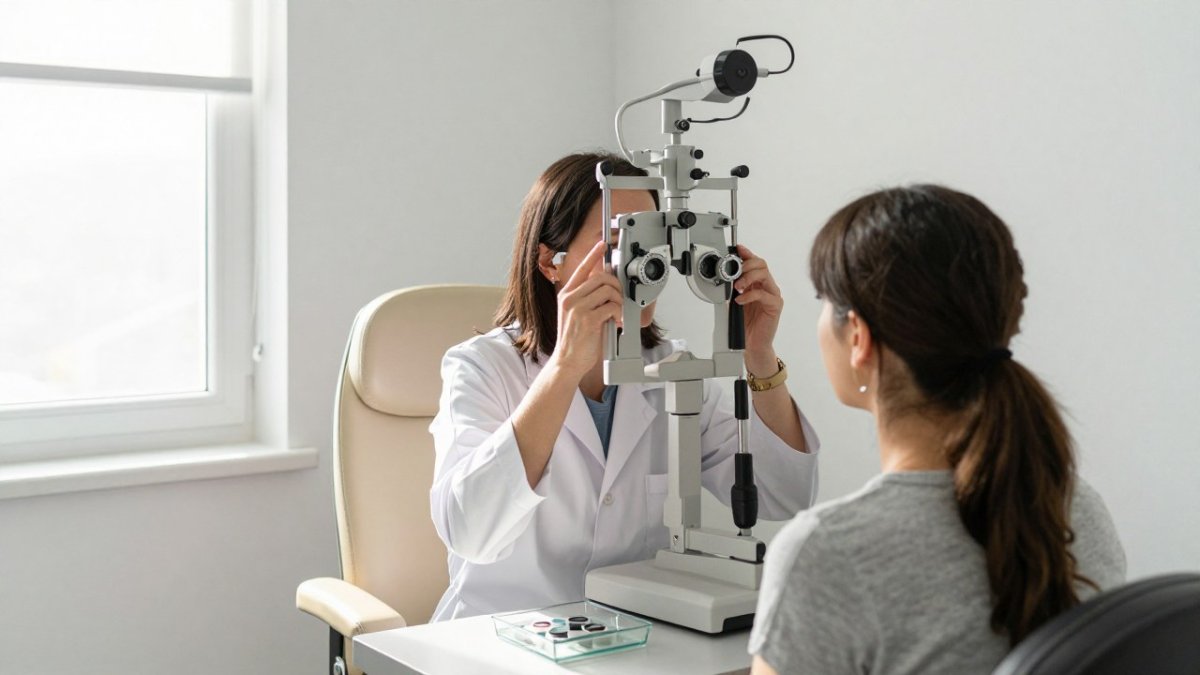
A comprehensive eye examination goes well beyond a vision screening. Your optometrist reviews your health history, tests visual acuity, checks eye pressure, and examines the structures inside your eyes. Refraction testing determines your prescription for eyeglasses or contact lenses. A comprehensive exam can screen for conditions like cataract, dry eye, and corneal disease, often before you notice blurry vision at all.
At-Home Vision Checks vs. a Professional Exam
Online vision tests and phone apps can hint at a refractive error, but they cannot examine your cornea, retina, or eye pressure. A professional exam catches problems a screen test misses. Think of at-home checks as a rough first step, not a replacement for a real evaluation. For a closer look at what annual exams deliver, read our guide to the benefits of annual comprehensive eye exams.
Common Causes of Blurry Vision and How They Differ
Blurry vision is a symptom, not a diagnosis. The cause could be as simple as a refractive error or as serious as early eye disease. The fastest way to make sense of it is to notice the pattern: when the blur appears, whether it clears, and what comes with it. The table below is a starting point for that conversation with an eye doctor, not a substitute for an exam.
| Cause | Typical pattern | What tends to come with it | What usually helps |
|---|---|---|---|
| Refractive error (nearsightedness, farsightedness, astigmatism) | Constant blur at a specific distance; stable over weeks | Squinting, headaches after long focus, eye strain | An updated eyeglasses or contact lens prescription |
| Dry eye | Fluctuating blur that clears with blinking or artificial tears | Burning, grittiness, redness, watering, worse late in the day or in wind and heat | Lubricating drops, lid hygiene, and a dry eye evaluation |
| Cataract | Slow, painless dimming over months or years | Glare and halos around lights, colors looking faded, night driving getting harder | A cataract evaluation; surgery when it limits daily life |
| Digital eye strain | Blur after long screen sessions, often with distance blur that fades | Headache, tired eyes, neck tension, dry or watery eyes | Screen breaks, lighting changes, and an updated prescription |
| Presbyopia | Near blur that starts in the early to mid-40s | Holding reading material farther away, headaches with close work | Reading glasses, progressives, or multifocal contacts |
Refractive error means your eye does not bend light correctly, so images land out of focus. If dryness is driving your symptoms, our guide to the best eye exam for dry eyes explains what testing involves, and our overview of personalized dry eye treatment plans covers how care is tailored.
A few patterns are worth knowing because they point in different directions. Blur that comes and goes with blinking is more often a tear-film problem than a prescription problem. Blur that is stable all day and worse at distance usually points to a refractive error. Blur that has crept in over a year, with glare at night, is more consistent with a cataract. Blur that appears only after two hours of screen work is usually strain or dryness, not a new eye disease.
When Blurry Vision Needs Urgent Attention
Most blurry vision can wait for a scheduled appointment. Some cannot. Seek prompt medical attention for sudden vision loss, a curtain or shadow across your field of view, new flashes of light, a surge of floaters, eye pain, or blur after a head injury. These can signal a serious problem that needs same-day care. Serious causes of blurry vision often appear suddenly, while common causes such as refractive error usually build slowly. If you are unsure, call and describe the symptom rather than waiting for your next routine visit.
Watch out: a sudden change in one eye is easy to dismiss because the other eye compensates. Cover one eye at a time when a change feels new, and treat any sudden difference between the two eyes as a reason to call the same day.
Daily Habits That Help You See Clearly
Small routines protect your eyes more than any single product. The habits below support eye comfort and vision quality over time, and each one works through a specific mechanism rather than as a general wellness gesture.
- Follow the 20-20-20 rule. Every 20 minutes, look at something about 20 feet away for 20 seconds. The distance change relaxes the focusing muscle and prompts a blink, which redistributes the tear film across the eye surface. Set a timer for the first week; after that, tie it to a natural break like sending an email or standing up.
- Blink fully during screen work. People blink less often and less completely when reading on a screen, which is one reason dryness and fluctuating blur show up in the afternoon. A deliberate full blink every few minutes is more effective than squeezing your eyes shut.
- Wear sunglasses that block UV light outdoors. Look for a label stating 100 percent UVA and UVB protection. UV exposure accumulates over a lifetime and is linked to cataract and other eye-surface problems, so protection matters on cloudy days and in winter too.
- Keep screens at arm's length and reduce glare. Position the screen so windows are to the side rather than behind or in front of it, and lower brightness to match the room. Glare forces your eyes to work harder to resolve contrast.
- Stay hydrated to support tear production. Tears depend on a steady fluid balance. If you notice dryness worsening on days you drink less, that is a useful clue to mention at your exam.
- Eat leafy greens, fish, and colorful vegetables. A balanced diet with a variety of foods is part of overall health.
- Get regular sleep so your eyes recover. Tear production and the eye surface recover during sleep, and short nights reliably worsen dryness and strain the next day.
- Avoid rubbing your eyes, especially if you have dry eye. Rubbing can irritate the eye surface, so it is best avoided. If itching is the trigger, treat the itch rather than rubbing through it.
- Practice contact lens hygiene. Wash and dry your hands before handling lenses, use fresh solution rather than topping off the case, and follow the replacement schedule your eye doctor gave you. Sleeping in lenses not approved for overnight wear is one of the most common causes of contact-lens-related eye infections.
- Wear protective eyewear for risky tasks. Safety glasses or goggles for yard work, home repair, and sports prevent injuries that no habit can undo afterward.
These steps support eye health, but they do not replace an eye examination. Habits help you maintain clear vision; exams catch what habits cannot. A useful way to think about it is that habits manage comfort and reduce risk, while an exam detects disease and corrects refractive error. Neither one covers for the other.
Watch out: eye exercises and over-the-counter supplements are widely marketed as ways to see clearly without glasses. Eye exercises and supplements do not correct nearsightedness, farsightedness, astigmatism, or presbyopia, and they do not treat cataract or eye disease. If a product promises to replace your prescription, treat that as a reason to ask your eye doctor rather than a reason to skip an exam.
What See Clearly Vision Reviews Say About Patient Care
Patients tend to talk about the same things after a visit: time, attention, and feeling heard.
Meet the See Clearly Vision Doctors
The See Clearly Florida optometrists provide personalized eye care. They handle routine exams, contact lens fittings, and the diagnosis and management of eye diseases. You can meet the optometrists before you book and see who will be caring for your eyes.
Using the See Clearly Vision Patient Portal
The patient portal gives you digital access to your records and prescriptions.
See Clearly Vision Arlington and Local Service Areas
See Clearly Florida serves patients across the Manatee County region, including Palmetto, Parrish, and Ellenton. The practice offers flexible use of vision plan benefits, and insurance claims are submitted on your behalf.
Schedule Your Eye Exam and Take the First Step
| Your goal | What to do | Where to start |
|---|---|---|
| Routine checkup | Book a comprehensive exam | Call the office |
| Dry, irritated eyes | Ask about an eye health evaluation | Mention symptoms when booking |
| New prescription | Bring your current glasses or contacts | Front desk at check-in |
| Insurance questions | Review benefits before your visit | Ask the team about your benefits |
| Records access | Set up the patient portal | Request setup at your visit |
Seeing clearly starts with one appointment. If you have been putting off an exam, or if blurry vision has you wondering what is going on, we can help you understand your options. See Clearly Florida offers comprehensive eye exams, contact lens fittings, and diagnosis and management of eye diseases, all with flexible use of your vision plan benefits and claims submitted on your behalf. If you do not have vision benefits, explore our membership plans for ongoing eye care.
Your eyes change slowly, and so do the conditions that affect them. The best way to protect clear vision is to stay ahead of those changes with regular professional care. Get started with See Clearly Florida and schedule a comprehensive eye exam tailored to your needs.
Frequently Asked Questions
How do I schedule an appointment with See Clearly Florida?
You can request an appointment by contacting the practice. The team will confirm a time that fits your schedule and explain what to bring, including your current prescription, insurance card, and a list of any medications. If you are unsure whether your plan is accepted, ask about benefits before your visit so you understand what you may owe.
What services does See Clearly Florida offer?
The practice provides comprehensive eye exams, contact lens fittings, and personalized eyewear recommendations for children and adults. The optometrists also diagnose and manage eye diseases. Care is tailored to your lifestyle and eye health.
How can I access the See Clearly Vision patient portal?
The patient portal lets you view records and prescriptions online, to review your records and prescriptions online. The portal is designed to keep your information accessible between appointments, but it does not replace an exam. For any new or worsening eye symptoms, contact the office directly rather than waiting to review records online.
When should blurry vision be treated as urgent?
Sudden blurry vision, vision loss in one eye, flashes of light, new floaters, or eye pain with redness need prompt medical attention. These symptoms can point to conditions that require fast evaluation, and prompt evaluation is important. Gradual changes, like struggling to read small print, are less urgent but still worth an exam. If you are unsure how serious a symptom is, call the office and describe what you are experiencing so the team can advise you.