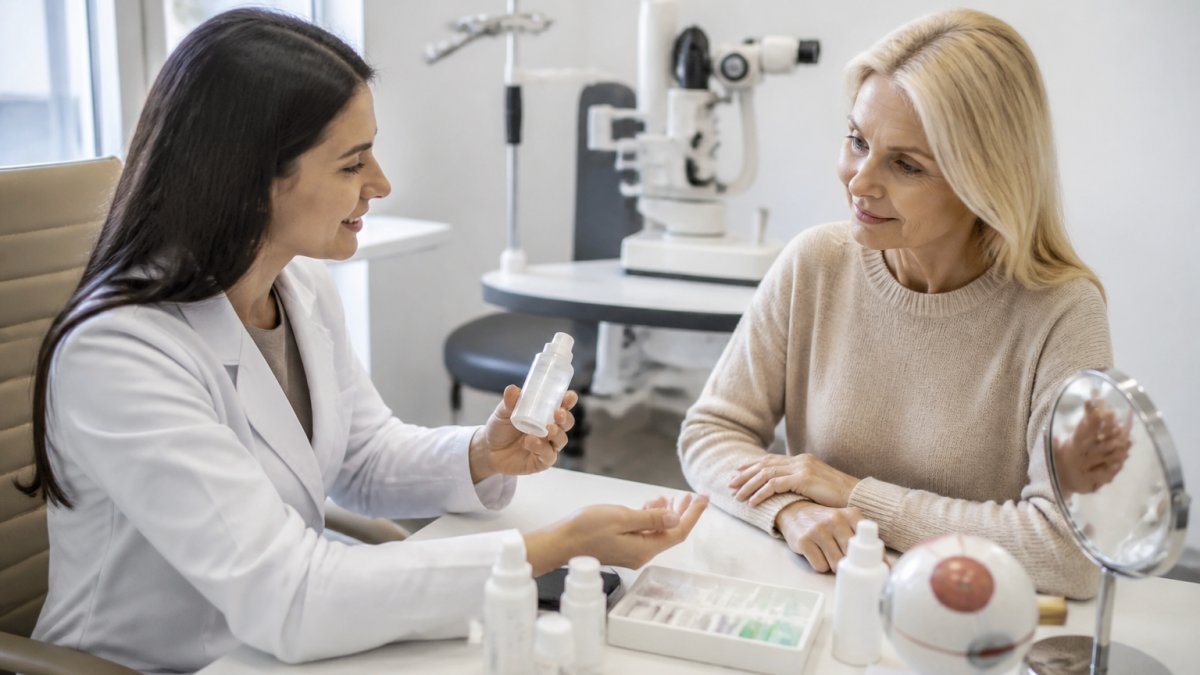
 how-to
Personalized Dry Eye Treatment Plans: A 2026 Guide
Table of Contents
- Why Personalized Dry Eye Treatment Plans Matter
- How Diagnostic Tests Identify Your Dry Eye Type
- Dry Eye Treatment Options 2026: From Drops to Advanced Therapies
- At-Home Dry Eye Relief: Lifestyle and Daily Management
- Chronic Dry Eye Treatment: Building a Long-Term Management Plan
- Creating Your Personalized Plan: What to Expect at Your Eye Exam
- Frequently Asked Questions
Last Updated: October 4, 2026
Why Personalized Dry Eye Treatment Plans Matter
Dry eye disease affects millions and impacts daily life, work productivity, and vision quality. The problem is that dry eye isn't one-size-fits-all, what works for one person may not work for another.
This is where personalized dry eye treatment plans become essential. At See Clearly Florida, we understand that every patient's dry eye is different. Some people have low tear production. Others have tears that evaporate too quickly. Still others face inflammation or meibomian gland dysfunction. The root causes vary, which means the solutions must too.
A personalized dry eye treatment plan identifies what's causing your symptoms, then matches you with the right combination of treatments. This targeted approach delivers better results than generic advice or over-the-counter drops alone.
How Diagnostic Tests Identify Your Dry Eye Type
An accurate diagnosis is the foundation of any effective personalized dry eye treatment plan. Diagnostic testing reveals exactly what's happening with your tear film and ocular surface.
Multiple tests measure tear production, tear quality, gland function, and surface damage. The pattern of results across these tests determines which treatments will actually work for you.
Tear Quality and Tear Film Assessment
Tear quality matters as much as tear quantity. Your tears have three layers: oil, water, and mucus. If any layer is deficient, your tears break down too fast.
The tear break-up time (TBUT) test measures how long your tears stay stable on your eye. Results under 5 seconds signal rapid evaporation and meibomian gland dysfunction, typically warranting warm compresses, lid hygiene, or in-office treatments like intense pulsed light.
The osmolarity test checks tear salt concentration.
The Schirmer test measures tear production using a paper strip placed under your lower lid for five minutes. Results below 5 millimeters indicate aqueous-deficient dry eye, typically responding well to tear-retention strategies (punctal plugs) or medications like cyclosporine or lifitegrast.
Tear osmolarity and TBUT together reveal your dry eye subtype and shape your entire treatment roadmap.
Meibomian Gland Evaluation and Ocular Surface Imaging
Your meibomian glands produce the oil layer of your tears. Evaluating gland health is crucial because gland damage determines whether simple at-home care will suffice or whether you need advanced procedures.
Meibography uses infrared imaging to visualize your meibomian glands and grade gland loss. Mild loss (less than 25%) often responds to warm compresses and lid hygiene alone.
Gland expression involves gentle pressure on your eyelids to assess oil flow. Clear, free-flowing oil suggests warm compresses and lid hygiene may suffice.
Ocular surface staining uses special dyes to highlight damaged cells, graded on the van Bijsterveld scale (0-9). Minimal staining (0-2) usually responds to lubricating drops and lifestyle changes.
Timeline for improvement: Tear production may increase within 6-8 weeks of starting cyclosporine. Gland function often improves 2-4 weeks after IPL treatment.
Dry Eye Treatment Options 2026: From Drops to Advanced Therapies
Your personalized dry eye treatment plan should include options matched to your specific diagnosis, ranging from simple daily habits to advanced clinical procedures. Treatment typically layers multiple approaches: artificial tears, lid hygiene, lifestyle changes, prescription drops, and sometimes in-office procedures.
Artificial Tears and Prescription Eye Drops
Artificial tears are the first line of defense, providing immediate lubrication. Preservative-free versions work better for frequent use; some contain lipids to replace missing oil, others focus on hydration. Prescription eye drops target underlying problems: cyclosporine reduces inflammation, lifitegrast restores tear production by blocking inflammatory signals. Your personalized plan specifies the right timing and frequency for your situation.
In-Office Procedures and Newer Therapies
In-office procedures offer targeted relief when drops and lifestyle changes aren't enough. Intense pulsed light (IPL) reduces inflammation and improves oil secretion (3-4 sessions). Radiofrequency treatment stimulates collagen remodeling and improves gland function (results in 2-3 weeks). Punctal plugs block tear loss for low tear production. Autologous serum tears and platelet-rich plasma (PRP) promote healing for severe dry eye. Your personalized plan includes these only if your diagnosis supports their use.
At-Home Dry Eye Relief: Lifestyle and Daily Management
Personalized dry eye treatment plans always include at-home management. What you do daily often matters more than occasional office visits. Your personalized plan should prioritize interventions most likely to help your specific diagnosis.
Lid Hygiene, Warm Compresses, and Environmental Control
Warm compresses are the most effective at-home intervention for meibomian gland dysfunction. Apply a warm, damp cloth to closed eyelids for 10-15 minutes daily. This often produces noticeable improvement within 2-4 weeks if done consistently. For moderate or severe gland loss, combine warm compresses with prescription drops or in-office procedures. For aqueous-deficient dry eye, prioritize tear retention (punctal plugs) and tear-production medications, though warm compresses still help by reducing evaporation.
Lid hygiene removes debris and bacteria that irritate dry eyes. Gently cleanse your eyelids with warm water each morning and night, or use special lid wipes containing hypochlorous acid. If you have blepharitis alongside dry eye, daily lid hygiene is essential. Expect improvement in lid comfort within 1-2 weeks.
Environmental control reduces tear evaporation, especially if your TBUT test was short. Increase humidity indoors (ideal is 40-60%) using a humidifier. Reduce air conditioning and fan exposure. Wear wraparound sunglasses outdoors to block wind and UV. These changes can reduce symptoms by 30-50% within weeks.
Screen Time, Nutritional Support, and Trigger Avoidance
Screen time management directly impacts dry eye because screens reduce blinking by 60-70%. Set a timer to blink consciously every 20-30 minutes. Position your computer screen below eye level. Take screen breaks every 30 minutes using the 20-20-20 rule: look at something 20 feet away for 20 seconds.
Nutritional support addresses inflammation and tear quality. Omega-3 fatty acids reduce inflammation in tear glands and improve tear composition (1,000-2,000 mg EPA and DHA daily). Most people see improvement within 4-8 weeks. Adequate hydration matters too, drink half your body weight in ounces daily. Vitamin A and lutein/zeaxanthin support ocular health as part of a balanced diet.
Trigger avoidance prevents symptom flares. Keep a symptom diary for two weeks to identify your personal triggers (smoke, chlorine, dry heat, medications). Some medications worsen dry eye (antihistamines, decongestants, SSRIs, beta-blockers, ACE inhibitors). If dry eye worsened after starting a new medication, talk with your prescribing doctor about alternatives.
Tracking Progress and Adjusting Your At-Home Plan
Track your progress using a symptom log: rate comfort on a scale of 1-10 daily and note how long you can work comfortably. Bring this to follow-up appointments to help your provider determine if your plan needs adjustment. If you're not improving after 6-8 weeks, your plan may need prescription drops or in-office procedures. Seasonal changes often affect dry eye, adjust your at-home management seasonally to prevent flares.
Chronic Dry Eye Treatment: Building a Long-Term Management Plan
Chronic dry eye requires ongoing management. Your personalized dry eye treatment plan should include regular reassessment intervals, most patients benefit from follow-up visits every 3-6 months initially. Track your symptoms between visits and bring this information to appointments. Some treatments require time to work: prescription drops may take 4-6 weeks, in-office procedures work gradually over several weeks. As your dry eye evolves, your treatment plan should evolve too. Regular communication with your eye care provider ensures your plan stays effective.
Creating Your Personalized Plan: What to Expect at Your Eye Exam
Getting a personalized dry eye treatment plan starts with a comprehensive eye examination designed to understand your specific dry eye.
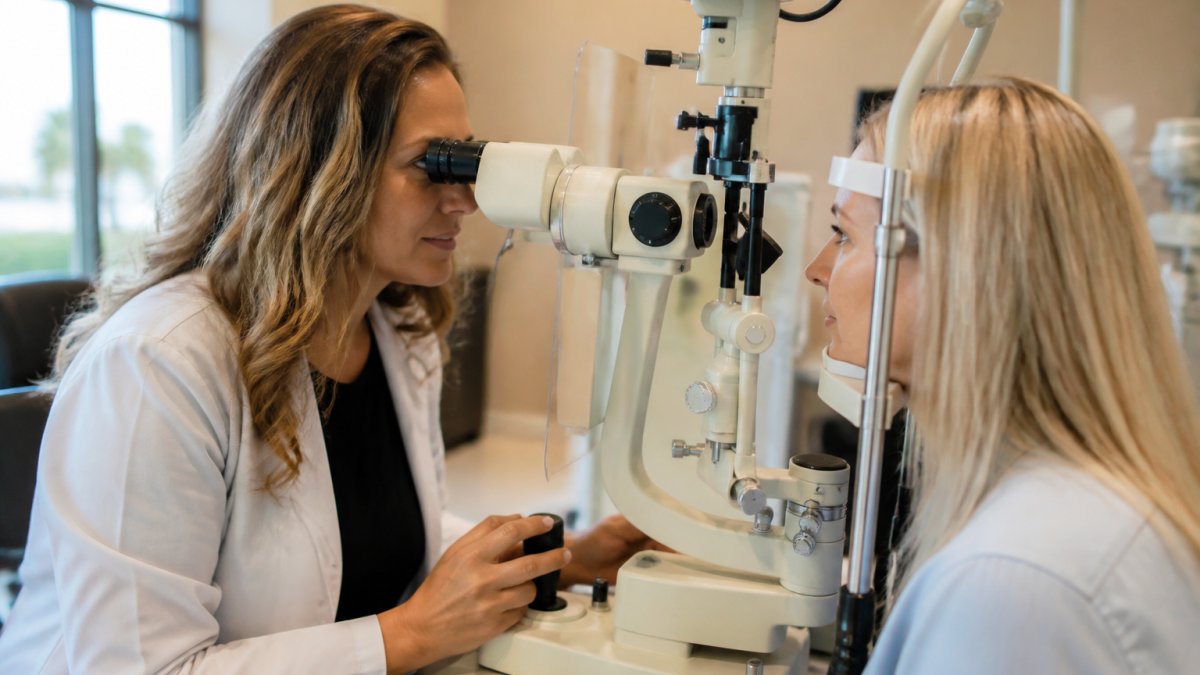
Questions to Ask and How Treatment Response Is Measured
Come prepared with a list of your symptoms, when they occur, and activities that make dry eye worse or better.
Questions to ask your eye care provider:
- What type of dry eye do I have, and what's causing it?
- Which diagnostic tests showed the most important findings?
- What treatment options match my specific diagnosis?
- How long before I should expect improvement?
- What are the risks and benefits of each treatment option?
- How often should I return for follow-up visits?
- What at-home steps will have the biggest impact on my symptoms?
- Are there lifestyle changes I should make?
Measuring treatment response requires clear benchmarks. Some improvements are measurable on tests (tear production, tear break-up time, ocular surface staining). Others are subjective (comfort, vision clarity, work duration). At See Clearly Florida, we measure both and adjust your personalized dry eye treatment plan based on what the tests show and how you actually feel. Most patients see meaningful improvement within 4-12 weeks of starting a personalized plan.
Frequently Asked Questions
How is a dry eye treatment plan personalized?
A personalized dry eye treatment plan starts with a comprehensive eye exam and diagnostic testing to identify your specific dry eye subtype, severity, and underlying triggers. Your eye care professional evaluates tear quality, tear film stability, meibomian gland function, and ocular surface health. Based on these findings, they recommend a combination of treatments, such as artificial tears, prescription drops, lifestyle adjustments, or in-office procedures, tailored to your symptoms and lifestyle. Follow-up visits assess your treatment response and allow adjustments as needed.
What tests can help identify the cause of dry eye?
Key diagnostic tests include tear osmolarity measurement, which assesses tear salt concentration; the Schirmer test, which measures tear production; meibomography, which images the oil glands; and ocular surface staining, which reveals damage to the cornea and conjunctiva. Tear break-up time testing shows how quickly your tear film evaporates. These tests help distinguish between aqueous deficiency (low tear production), evaporative dry eye (poor tear quality or gland dysfunction), and mixed presentations, guiding specific treatment choices.
What are the newest treatment options for dry eyes in 2026?
Recent advances include intense pulsed light (IPL) therapy and radiofrequency treatments for meibomian gland dysfunction, autologous serum tears and platelet-rich plasma (PRP) for severe cases, and newer prescription formulations targeting inflammation. Scleral lenses provide superior comfort for moderate to severe disease. Combination therapy, pairing multiple approaches such as prescription drops, lid hygiene, nutritional supplementation with omega-3 fatty acids, and procedural treatments, has become standard for chronic symptoms. Your eye care professional can determine which options suit your specific condition.
Can dry eye treatment change over time?
Yes. Dry eye disease often progresses or improves based on age, hormonal changes, medication use, environmental factors, and underlying health conditions. Your treatment plan should be reassessed at regular follow-up visits to measure symptom improvement, tear retention, and gland function. If your current approach isn't delivering adequate relief, your eye care professional may adjust medications, add complementary therapies, or recommend procedural options. Chronic dry eye typically requires ongoing management rather than a one-time fix.
Dry eye doesn't have to control your life. A personalized dry eye treatment plan addresses your specific condition with targeted solutions. See Clearly Florida creates customized plans based on comprehensive diagnostic testing and your individual needs. Our patient-centered approach combines clinical expertise with your lifestyle goals. Schedule an appointment with our optometrists today to start your personalized dry eye treatment plan and rediscover comfortable vision.